
On this page
Understand the place
Fushimi Inari Taisha is the head shrine of the Inari tradition, with an origin recorded in 711. It remains a place of worship, not simply a photographic backdrop.
Distinguish the main buildings at the foot of the mountain from the worship sites above. Let worshippers move freely while you explore the visual character of the precinct.
What to look for
Look beyond the torii photograph
Locate the gate, main sanctuary, Senbon Torii and inner worship area on the official map before deciding whether to continue uphill. This gives the buildings and paths a context.
Notice details rather than collecting stops
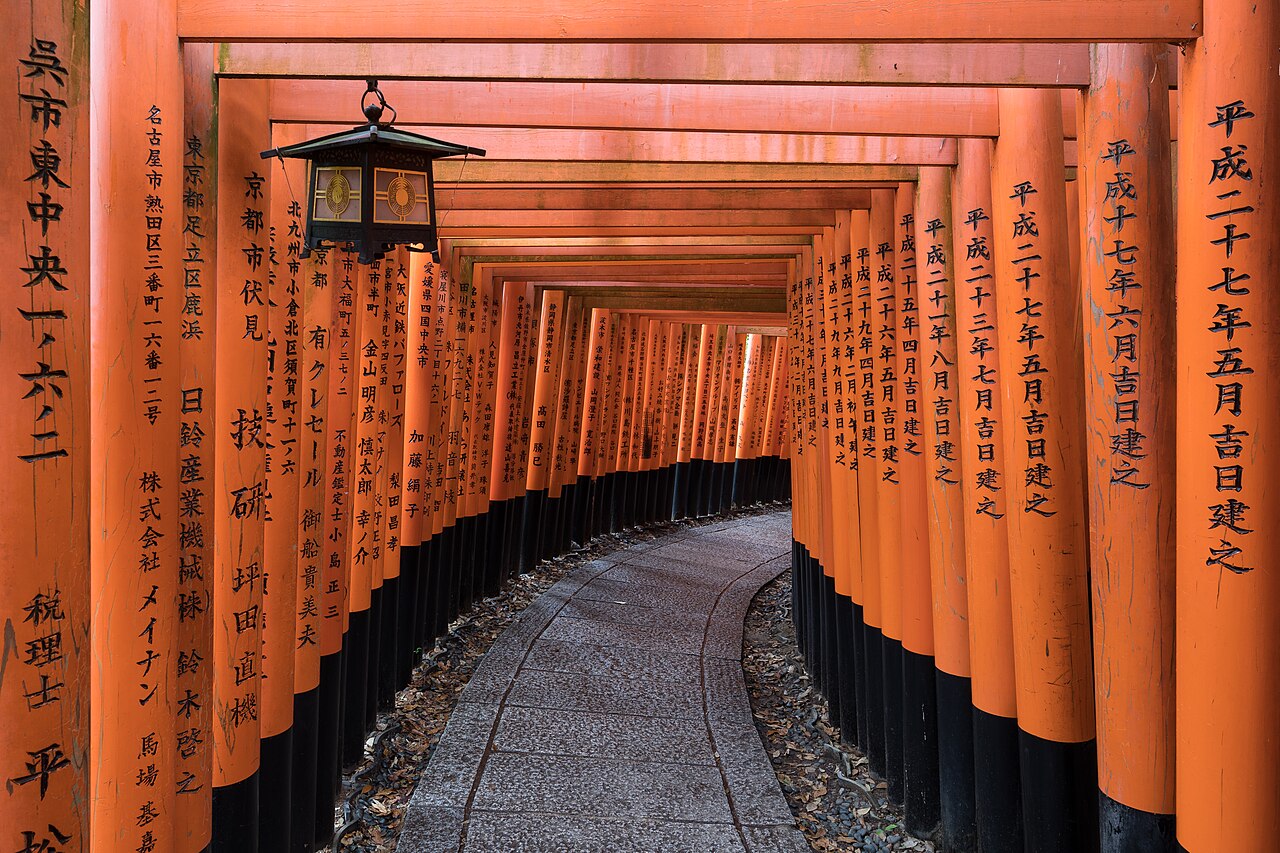
Observe repeating gateways and changing paths. Pause briefly for photographs without blocking narrow passages; a completely empty scene is not a requirement for a worthwhile visit.
Plan your visit
Choose a lower-precinct visit or a mountain walk
Allow 1–2 hours as an editorial planning margin for worship areas and torii. Treat an uphill extension as a separate walk, with a turnaround based on fitness, weather, daylight and your return plan. This is not a measured duration guarantee.
Reaching the gateways does not mean you are near the summit. Agree a meeting arrangement if some companions prefer not to climb.
Tickets and inclusions
Separate shrine access from optional services
The official English material checked does not provide a general attraction-ticket sales page. Bangsai does not sell a torii admission ticket. Donations, prayers, souvenirs and third-party guiding are different matters.
If arranging a ceremony or guide, confirm the actual service, price and cancellation terms. Understand what a paid package supplies rather than assuming a package is necessary for ordinary worship.
Opening and admission
Access and staffed services are different
Offices, prayer services, shops and paths should not be assigned one assumed opening schedule. The sources checked do not establish a single timetable for all of them; contact the shrine for a specific ceremony or service.
A very late photography visit does not suit everyone. Consider visibility, companions and return transport before taking mountain paths, and follow any closure notices.
Getting there and entrances
The official access page places the shrine beside Inari Station on the JR Nara Line, or about five minutes east on foot from Fushimi-inari Station on the Keihan Main Line. These are different stations.
Choose the line from your starting point. A published rail journey time does not include every wait, transfer and walk. Save the exact station name for your return.
Accessibility and visitor needs
The lower precinct and mountain route need separate accessibility assessments. A continuous step-free route, accessible toilets and a wheelchair endpoint have not been established in this research.
With a stroller or step-related needs, ask about the exact places you want to reach. Nearby points on a map do not prove a usable wheeled route; keep a lower-precinct-only option.
Preparation and etiquette
Keep your phone unobtrusive and avoid close-up photographs of worshippers. Do not occupy a path for a composition or use offering spaces as seats.
Wear walking footwear and prepare for the weather. Shorten the plan if paths or steps become slippery, and take your rubbish away. Read instructions before joining worship practices rather than imitating unfamiliar actions for a photograph.
Planning nearby visits
Combine visits by transport direction rather than a must-see checklist. After a longer mountain walk, leave room for food and an easier afternoon instead of adding another demanding ascent.
Other Kyoto temples are separate destinations with their own access and rules. We do not label unverified places as walkably nearby or promise that a specific day-tour connection is available.
Common questions
Must I reach the summit?
No. Worship, torii viewing and mountain walking can be separate goals.
Which Inari station should I choose?
Check whether your route uses JR or Keihan, then save the exact station name.
Is this a first-hand route report?
No. It combines official-source research with editorial suggestions. Saving the place does not book a ceremony or guide.
How this guide was prepared
- Published by
- Bangsai
- Method and experience
- AI assisted the organisation and translation of public official sources. This is not a first-hand visit report and has not been reviewed by a named local expert. Sources are linked by section; unresolved details are identified.
- This update
- 2026-09-07 · Expanded context, viewing priorities, admission, schedules, arrival and visitor needs, with sources and uncertainty identified.
- Commercial disclosure
- This page sells no tickets and contains no paid recommendations or commission-bearing booking links.